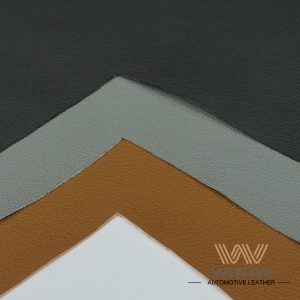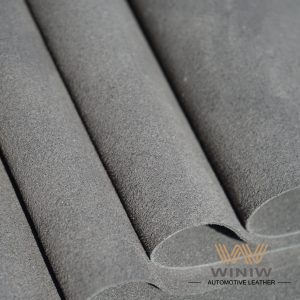
Leather materials for automotive interiors need to fulfil a number of performance requirements to ensure their durability and functionality in practical use. These requirements include:
Light resistance: leather materials should be able to resist prolonged exposure to sunlight without discolouration or degradation.
Resistance to heat and humidity: the leather must be able to withstand high temperatures and high humidity environments without damage.
Colour fastness to rubbing: the surface of the leather should not fade or lose its colour by rubbing in order to maintain a long-lasting appearance.
Friction breakage resistance: the leather needs to have good abrasion resistance to prevent it from being easily worn or torn in daily use.
Flame retardancy: As safety is of paramount importance in automotive interiors, leather materials must be flame retardant to minimise the risk of fire.
Tensile and Tear Strength: Leather should have sufficient mechanical strength to withstand the tensile and tearing forces of normal use.
Stitching strength: the stitching part of the leather also needs to have good strength to ensure the stability of the overall structure.
Feel and comfort: the leather material should provide a soft, cosy touch to keep passengers comfortable during long rides.
Durability: the leather material should have a long service life, usually requiring a minimum of 6 years or more.
Easy to clean: leather material should be easy to daily cleaning and maintenance, in order to keep the interior environment of the car neat and clean.
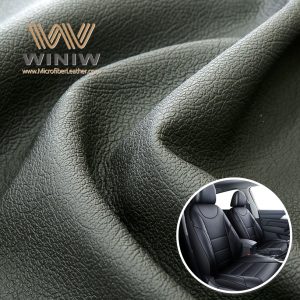

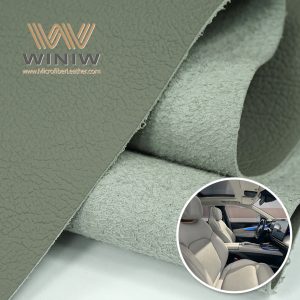
Desuden, with the improvement of environmental protection consciousness, the future development direction of automotive interior leather also includes the trend of de-skinning, environmental protection and multi-functionality. These requirements not only reflect the need for physical properties of the material, but also the concern for environmental protection and user experience.